Why Thai Businesses Are Turning to Private Solar PPAs for Rooftop Solar
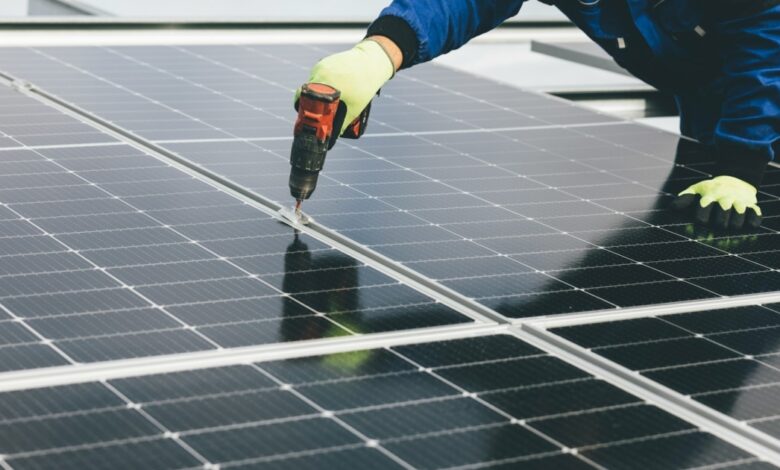
Electricity costs weigh heavily on Thai manufacturers, hotels, and commercial buildings. Rising tariffs and steady demand push companies to look for cheaper, cleaner power. A private PPA solar rooftop model gives them a practical answer, letting businesses use solar energy without paying the full upfront cost of an installation.
A private power purchase agreement, or PPA, works simply. A solar developer installs panels on a company’s roof and covers the equipment and maintenance costs. The business then buys the electricity generated at an agreed rate, usually lower than the grid tariff. This private PPA solar rooftop arrangement removes the large capital outlay that often stops firms from adopting solar.
For many Thai companies, cash flow matters as much as long-term savings. A rooftop solar PPA fits this need well. There is no heavy investment, no complex asset management, and no worry about system performance. The developer handles the technical side, while the business benefits from stable, predictable energy costs over a contract period that often runs 10 to 20 years.
The Cost Pressure Behind the Shift
Thailand’s industrial and commercial sectors consume a large share of national electricity. Factories in provinces like Rayong, Samut Prakan, and Chonburi run heavy loads throughout the day, matching the hours when solar output peaks. This alignment makes rooftop solar a natural fit for daytime operations.
When power tariffs climb, profit margins shrink. Companies that lock in a fixed PPA rate protect themselves from future price swings. Over time, the savings add up, freeing capital for other parts of the business.
Meeting Sustainability Goals
Thai businesses face growing pressure from global buyers and investors to lower carbon emissions. Exporters supplying European and North American markets often must show progress on clean energy use. Rooftop solar offers a visible, measurable step.
A PPA helps firms report renewable energy consumption without changing their core operations. This supports environmental targets and strengthens relationships with clients who value sustainable supply chains. For companies working towards net zero commitments, on-site solar becomes a reliable building block.
Support From Policy and Market Trends
Thailand’s national energy plans encourage renewable adoption, with targets that push solar capacity higher each year. Regulatory support and clearer rules around private power generation make PPAs easier to arrange than in past years.
The falling cost of solar panels also helps. Cheaper equipment means developers can offer competitive rates, making the model attractive across many industries. From food processing plants to shopping centres, the range of businesses adopting rooftop solar continues to widen.
What Businesses Should Weigh
Before signing a PPA, companies should check roof condition, available space, and daytime energy use. Roofs with strong structures and consistent load profiles gain the most. Reviewing contract terms carefully, including rate escalation and buyout options, protects long-term interests.
Rooftop solar through a private PPA gives Thai businesses a way to cut costs, meet sustainability goals, and use idle roof space productively. As tariffs rise and clean energy expectations grow, this model offers a clear path forward. For many firms, it turns an unused rooftop into a steady source of value.