Achieving Superior Product Performance with Polyurethane Moulding
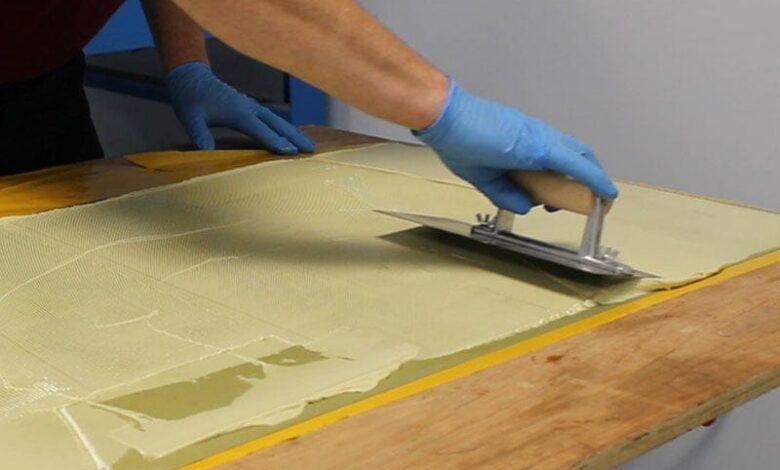
Manufacturers across Thailand rely on durable materials to meet rising quality standards. Polyurethane moulding (known as บัวโพลียูรีเทรน in Thai) has become a trusted method for producing components that withstand heavy use, resist wear, and hold precise shapes. From factories in Rayong to production hubs in Bangkok, this process supports industries that demand consistent results at scale.
The appeal of polyurethane moulding lies in its versatility. The material can be formulated to a wide range of hardness levels, from soft, flexible pads to rigid structural parts. This adaptability makes polyurethane moulding suitable for many sectors, including automotive assembly, electronics housing, and industrial machinery. Thai manufacturers value this flexibility because it lets them tailor parts to specific performance needs without switching materials.
In automotive production, polyurethane moulding delivers parts that endure vibration, temperature swings, and constant friction. Bushings, seals, and suspension components made this way last longer than many rubber alternatives. As Thailand continues to grow as a regional automotive centre, local suppliers depend on these moulded parts to meet the strict tolerances set by global vehicle brands. Reliable components reduce downtime and lower warranty claims, which matters in a competitive export market.
Strength in Electronics Manufacturing
Thailand’s electronics sector also gains from moulded polyurethane parts. Connectors, protective casings, and cable insulation benefit from the material’s resistance to moisture and chemicals. In the humid climate common across the country, this protection helps electronic devices perform reliably over time. Precise moulding also produces clean edges and tight fits, which support the fine tolerances that modern electronics require.
Why Performance Matters
Product performance depends on more than the raw material. It comes from how well the moulding process controls density, thickness, and surface finish. A properly moulded part resists cracking, keeps its shape under load, and maintains its properties across a wide temperature range. For Thai manufacturers supplying both domestic and international clients, this consistency builds trust and repeat business.
Several factors shape the final result:
- Material selection: Different polyurethane formulas offer different balances of hardness, elasticity, and chemical resistance.
- Mould design: Well-designed moulds reduce defects and improve repeatability across large production runs.
- Process control: Careful temperature and curing management ensures each part meets the same standard.
Sustainability and Longevity
Longer-lasting parts mean less waste and fewer replacements. This benefits both cost and the environment, a growing concern for Thai industry. Components that resist abrasion and fatigue stay in service longer, which reduces material use over time. Some formulations now include recycled content, giving manufacturers greener options without sacrificing strength.
Looking Ahead
As Thailand expands its role in regional manufacturing, demand for high-performing moulded parts will keep rising. Automotive, electronics, and heavy machinery sectors all need components that hold up under pressure. Producers who understand material behaviour and refine their moulding methods will stay ahead.
Superior product performance starts with the right material and a well-managed process. For Thai manufacturers aiming to meet global standards, polyurethane offers a dependable path toward durable, precise, and cost-effective parts.