Cleaning & Maintenance: Building a Cleaner, Safer Living Space
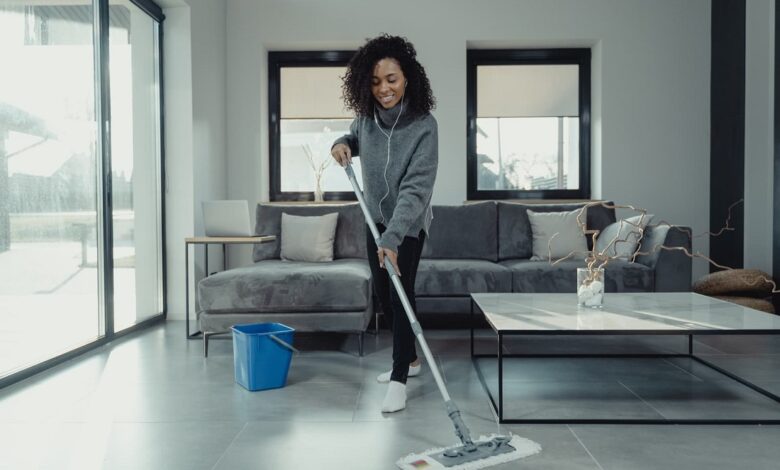
A clean and well-maintained environment goes beyond surface-level appearance. Cleaning and maintenance play a vital role in protecting health, preserving property, and ensuring long-term functionality. When approached strategically, they reduce stress, save money, and create spaces that feel comfortable and dependable every day.
The Importance of Consistent Cleaning & Maintenance
Neglect allows dirt, moisture, and wear to accumulate, often leading to permanent damage. Routine care helps identify small issues early, preventing costly repairs and health concerns.
Key advantages include:
-
Healthier indoor air and surfaces
-
Improved safety and functionality
-
Longer lifespan of furniture and appliances
-
Reduced maintenance and repair expenses
Cleaning vs. Maintenance: Knowing the Difference
Understanding how these two processes differ helps you plan effectively.
Cleaning
-
Focuses on removing dirt, dust, and germs
-
Enhances hygiene and visual appeal
-
Performed daily, weekly, or monthly
Maintenance
-
Prevents breakdowns and deterioration
-
Preserves efficiency and performance
-
Performed periodically or seasonally
Both are equally important and work best when combined.
Must-Have Tools for Effective Upkeep
Using appropriate tools ensures efficiency while protecting surfaces.
Cleaning essentials:
-
Microfiber cloths for dust and polishing
-
All-purpose and disinfectant cleaners
-
Vacuum cleaner with proper filtration
-
Mop or steam cleaner for floors
Maintenance basics:
-
Basic hand tools for minor fixes
-
Lubricants for hinges and moving parts
-
Replacement filters and light bulbs
-
Sealants for cracks and joints
Keeping tools organized saves time and encourages regular use.
Designing a Practical Cleaning Schedule
A structured routine prevents overwhelm and ensures no area is overlooked.
Daily Care
-
Wipe kitchen surfaces and sinks
-
Clear clutter from living areas
-
Dispose of waste properly
Weekly Care
-
Vacuum carpets and rugs
-
Mop hard floors
-
Clean bathrooms thoroughly
Monthly Care
-
Clean appliances and fixtures
-
Dust vents, fans, and baseboards
-
Inspect plumbing for leaks
Seasonal Maintenance
-
Service heating and cooling systems
-
Deep clean upholstery and curtains
-
Check exterior surfaces for damage
Maintenance Habits That Prevent Long-Term Damage
Proactive care protects your space from gradual deterioration.
Helpful habits include:
-
Cleaning spills immediately to prevent stains
-
Avoiding excess water on floors and furniture
-
Ventilating damp areas to prevent mold
-
Following manufacturer care guidelines
-
Scheduling inspections for critical systems
These small actions significantly extend durability.
Sustainable Cleaning & Maintenance Practices
Eco-conscious methods support both personal health and environmental responsibility.
-
Choose non-toxic, biodegradable cleaners
-
Reduce disposable products where possible
-
Use cold water when effective
-
Maintain equipment to avoid premature replacement
Sustainability and cleanliness can work together without compromising results.
Common Errors That Undermine Cleaning Efforts
Mistakes can unintentionally cause damage or reduce effectiveness.
-
Using abrasive tools on delicate surfaces
-
Mixing incompatible cleaning chemicals
-
Ignoring hidden areas like filters and drains
-
Overusing cleaning products
-
Delaying repairs until problems worsen
Awareness helps prevent unnecessary wear and hazards.
FAQs
How often should routine cleaning be done?
Light cleaning should be done daily, while deeper cleaning is best handled weekly or monthly, depending on usage.
What areas are most often overlooked during cleaning?
Vents, light fixtures, baseboards, and appliance interiors are commonly missed but require regular attention.
Does maintenance really affect property value?
Yes. Well-maintained spaces retain value better and are more attractive to buyers or occupants.
Can cleaning products damage surfaces?
Improper or harsh cleaners can harm finishes, which is why surface-specific products are recommended.
How do I stay consistent with cleaning tasks?
Breaking tasks into small daily actions and following a schedule helps build long-term habits.
Is professional maintenance necessary?
For complex systems like HVAC or electrical components, professional servicing ensures safety and efficiency.
What signs indicate poor maintenance?
Unusual odors, visible wear, leaks, reduced appliance performance, and rising utility bills often signal neglect.


