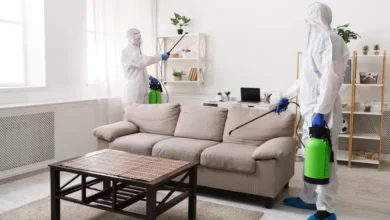
Commercial Pest Control: Safeguarding Businesses from Hidden Risks

Commercial pest control plays a vital role in maintaining business reputation, regulatory compliance, and employee well-being. Unlike residential settings, commercial properties face higher risks due to constant foot traffic, food handling, storage areas, and complex building structures.
This article explores why pest control is critical for businesses and how a strategic approach protects operations from costly disruptions.
What Is Commercial Pest Control?
Commercial pest control focuses on managing and preventing pest infestations in business environments such as offices, restaurants, warehouses, healthcare facilities, and retail spaces.
These environments require specialized solutions because:
-
Infestations spread faster due to shared spaces
-
Health and safety standards are stricter
-
Even minor pest sightings can damage brand credibility
Commercial pest control prioritizes discretion, compliance, and long-term prevention.
Why Pest Control Is Crucial for Businesses
Pests in commercial spaces create risks beyond inconvenience.
Key impacts include:
-
Health code violations and failed inspections
-
Product contamination and inventory loss
-
Structural damage to buildings and equipment
-
Reputation damage from customer complaints or online reviews
Proactive pest management helps businesses avoid shutdowns and legal penalties.
Common Pests in Commercial Properties
Different industries attract different pests.
Frequently encountered pests include:
-
Rodents in warehouses and storage areas
-
Cockroaches in restaurants and food courts
-
Flies near waste disposal zones
-
Termites in older commercial buildings
Each pest requires industry-specific control strategies to ensure effectiveness.
Industries That Require Regular Pest Control
Certain sectors are especially vulnerable and often legally required to maintain pest control programs.
High-risk industries include:
-
Food and beverage establishments
-
Healthcare facilities
-
Hospitality and hotels
-
Retail and shopping centers
-
Manufacturing and logistics
Routine inspections help identify early warning signs before infestations escalate.
Integrated Pest Management for Commercial Spaces
Integrated Pest Management (IPM) is the preferred approach for businesses because it balances safety and effectiveness.
IPM strategies include:
-
Ongoing monitoring and documentation
-
Sanitation and waste management improvements
-
Structural exclusion and sealing
-
Targeted treatments with minimal disruption
This approach reduces reliance on chemicals while maintaining compliance with regulations.
Benefits of Professional Commercial Pest Control
Professional services provide tailored solutions that DIY methods cannot match.
Advantages include:
-
Customized pest control plans by industry
-
Compliance with local health and safety laws
-
Scheduled maintenance and reporting
-
Use of commercial-grade, approved treatments
Businesses gain peace of mind knowing risks are actively managed.
Preventive Pest Control Strategies for Businesses
Prevention minimizes downtime and unexpected costs.
Effective preventive measures include:
-
Employee training on sanitation practices
-
Regular inspection of entry points and storage areas
-
Proper waste management systems
-
Moisture control and ventilation maintenance
Consistent prevention strengthens overall facility management.
Choosing a Commercial Pest Control Provider
Selecting the right provider is a strategic decision.
Consider providers that offer:
-
Industry-specific experience
-
Clear documentation and audit-ready reports
-
Emergency response services
-
Eco-conscious and compliant treatment options
A strong partnership ensures long-term protection and regulatory confidence.
FAQs About Commercial Pest Control
How often should commercial pest control be performed?
Most businesses require monthly or quarterly services depending on industry risk levels.
Is pest control mandatory for certain businesses?
Yes. Food, healthcare, and hospitality industries often have legal requirements for pest management.
Can pest control disrupt business operations?
Professional services use discreet methods and off-hour scheduling to minimize disruption.
What happens if pests are found during an inspection?
Immediate corrective actions are taken, followed by preventive recommendations.
Are commercial pest control treatments safe for customers?
Yes. Approved treatments are applied responsibly to ensure public safety.
How can employees help prevent pest issues?
Maintaining cleanliness, reporting sightings, and following waste protocols are key.
Does commercial pest control include documentation?
Yes. Reputable providers supply inspection logs and treatment reports for compliance.