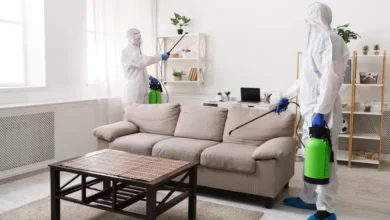
Pest Control: A Practical Guide to Protecting Homes and Health
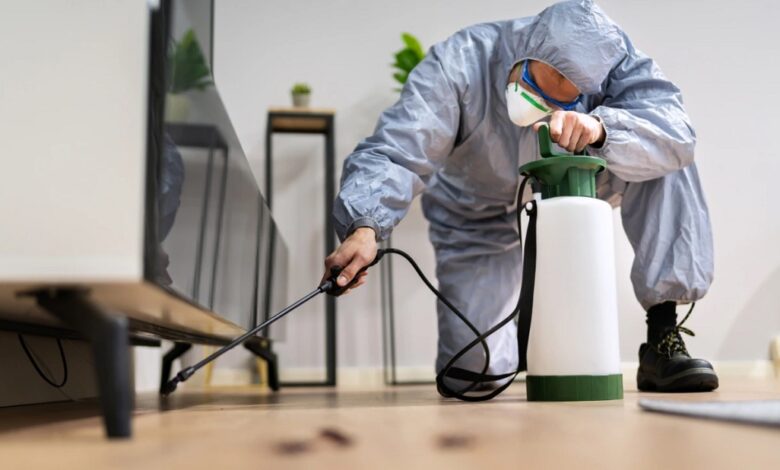
Pest control is more than eliminating unwanted insects or rodents. It is about protecting health, property, and peace of mind through informed prevention and targeted treatment. When pests are left unmanaged, they can cause structural damage, spread disease, and disrupt daily living.
This guide explains how pest control works, why it matters, and how to choose the right approach for long-term protection.
Understanding Pest Control
Pest control refers to the management or removal of organisms that negatively impact human environments. These include insects, rodents, and other invasive species that thrive in homes, offices, farms, and commercial spaces.
Common pest categories include:
-
Crawling insects such as ants, cockroaches, and termites
-
Flying insects like mosquitoes, flies, and wasps
-
Rodents including rats and mice
-
Occasional invaders such as spiders and beetles
Each pest type requires a specific control strategy based on behavior, habitat, and reproduction cycle.
Why Pest Control Is Essential
Ignoring pest issues can lead to serious consequences. Effective pest control provides both immediate relief and long-term benefits.
Key reasons pest control is critical:
-
Health protection from bacteria, allergens, and disease vectors
-
Structural safety by preventing damage from termites and rodents
-
Food security through reduced contamination risks
-
Improved comfort and hygiene in living spaces
Early intervention often reduces costs and prevents infestations from spreading.
Types of Pest Control Methods
Modern pest control uses a combination of techniques designed to be effective while minimizing risks to people and the environment.
Chemical Pest Control
This method uses approved pesticides to eliminate or repel pests. It is effective for severe infestations but must be applied carefully to avoid overexposure.
Biological Pest Control
Natural predators, parasites, or microorganisms are used to control pest populations. This method is commonly applied in agriculture and eco-sensitive areas.
Mechanical and Physical Control
Includes traps, barriers, and exclusion techniques such as sealing cracks and entry points to prevent pest access.
Integrated Pest Management (IPM)
IPM combines multiple methods with a strong focus on prevention, monitoring, and minimal chemical use. It is widely considered the most sustainable approach.
Common Household Pests and Their Risks
Understanding pest behavior helps in choosing the right control method.
-
Termites silently weaken wooden structures
-
Cockroaches spread bacteria and trigger allergies
-
Mosquitoes transmit viruses and cause skin irritation
-
Rodents contaminate food and damage wiring
Each pest presents unique risks, making targeted control essential.
Professional Pest Control vs DIY Solutions
Home remedies and store-bought products may work for minor issues, but they often fail to address root causes.
Professional pest control services offer:
-
Accurate pest identification
-
Customized treatment plans
-
Safe handling of chemicals
-
Long-term prevention strategies
DIY solutions can be helpful for prevention, but recurring infestations usually require expert intervention.
Eco-Friendly Pest Control Options
Growing awareness of environmental impact has led to safer alternatives.
Eco-conscious pest control focuses on:
-
Low-toxicity treatments
-
Botanical and natural repellents
-
Targeted application to reduce chemical spread
-
Preventive habitat modification
These options are especially suitable for homes with children, pets, or sensitive individuals.
Preventive Measures for Long-Term Pest Control
Prevention is the most effective pest control strategy.
Best practices include:
-
Sealing cracks, gaps, and vents
-
Proper food storage and waste disposal
-
Reducing moisture buildup
-
Regular inspections of basements, kitchens, and attics
Consistent maintenance significantly lowers the risk of infestation.
Choosing the Right Pest Control Service
Selecting a reliable provider ensures safety and effectiveness.
Look for services that offer:
-
Licensed and trained technicians
-
Transparent pricing and inspection reports
-
Customized treatment plans
-
Follow-up and maintenance options
A reputable provider prioritizes both results and safety.
FAQs About Pest Control
How often should pest control treatments be done?
Treatment frequency depends on pest type, property condition, and environment. Many homes benefit from quarterly inspections.
Is pest control safe for children and pets?
When applied correctly by professionals, modern treatments are designed to be safe with proper precautions.
Can pest control prevent future infestations?
Yes. Preventive treatments combined with maintenance greatly reduce the likelihood of recurring problems.
What is the most effective pest control method?
Integrated Pest Management is widely considered the most effective and sustainable approach.
Do pests return after treatment?
They can if entry points and environmental conditions are not addressed. Prevention is key.
Are eco-friendly pest control methods effective?
Yes. When properly applied, they can control pests while reducing environmental impact.
What should I do before a pest control visit?
Clear clutter, store food securely, and follow any preparation guidelines provided by the service.