Smart Home: The Future of Comfortable, Connected Living
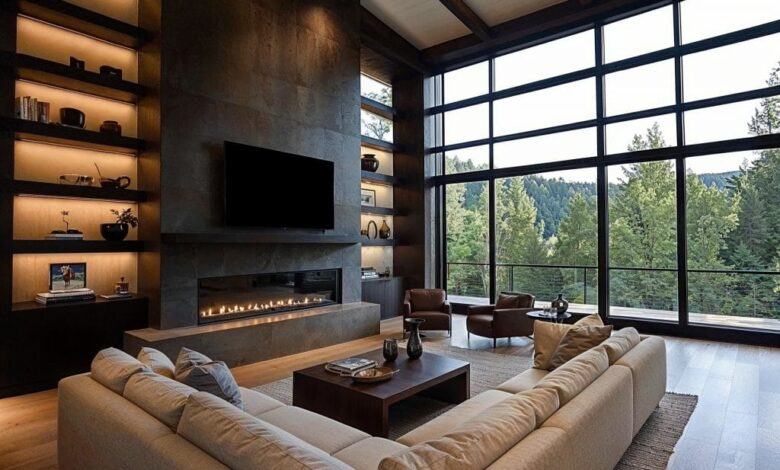
A smart home blends technology with everyday living, transforming how people interact with their spaces. From voice-controlled lighting to automated security systems, smart homes are designed to improve comfort, efficiency, and peace of mind. As connectivity becomes a standard part of modern life, homes are evolving into intelligent environments that adapt to their occupants rather than the other way around.
What Is a Smart Home?
A smart home is a residence equipped with internet-connected devices that can be monitored, controlled, and automated remotely. These systems work together to manage daily tasks, reduce manual effort, and create a personalized living experience.
Key characteristics include:
-
Centralized control through apps or hubs
-
Automation based on schedules, sensors, or routines
-
Remote access from smartphones or tablets
-
Adaptive behavior that responds to user habits
Core Components of a Smart Home
Smart Lighting
Smart lighting systems allow homeowners to control brightness, color, and timing with ease. Lights can automatically turn off when rooms are empty or adjust based on the time of day.
Benefits include:
-
Reduced energy consumption
-
Enhanced ambiance and mood control
-
Improved convenience and accessibility
Smart Climate Control
Intelligent thermostats and climate systems learn household patterns to maintain optimal comfort while minimizing energy waste.
Why it matters:
-
Maintains consistent indoor comfort
-
Lowers heating and cooling costs
-
Adapts to seasonal and daily changes
Home Security and Safety
Smart security solutions include cameras, motion sensors, door locks, and alarms that provide real-time monitoring and alerts.
Key advantages:
-
Instant notifications of unusual activity
-
Remote access to locks and cameras
-
Enhanced safety for families and property
Smart Appliances
Connected appliances streamline household tasks by offering automation and remote management.
Examples include:
-
Appliances that notify users when tasks are complete
-
Devices that optimize energy and water usage
-
Systems that support predictive maintenance
How Smart Home Automation Works
Smart homes rely on interconnected devices communicating through wireless protocols and cloud-based platforms. Automation rules allow devices to work together seamlessly.
Common automation triggers:
-
Time-based schedules
-
Motion or occupancy detection
-
Environmental changes like temperature or light levels
-
User commands via apps or voice interfaces
Benefits of Living in a Smart Home
Enhanced Convenience
Everyday tasks become simpler when routines are automated. From morning wake-up sequences to bedtime shutdowns, smart homes save time and effort.
Energy Efficiency
Smart systems monitor usage patterns and make real-time adjustments, helping households reduce waste and lower utility bills.
Improved Accessibility
Smart home technology supports independent living by offering hands-free controls and customizable settings, especially beneficial for seniors and individuals with disabilities.
Increased Property Value
Homes equipped with modern smart features often attract higher market interest and resale value due to their efficiency and future-ready design.
Challenges and Considerations
While smart homes offer many advantages, thoughtful planning is essential.
Important considerations include:
-
Data privacy and security
-
Compatibility between devices
-
Initial setup and learning curve
-
Dependence on stable internet connectivity
Choosing reliable systems and keeping software updated can help mitigate these concerns.
The Future of Smart Homes
The next generation of smart homes will focus on artificial intelligence, deeper personalization, and predictive automation. Homes will increasingly anticipate needs, optimize resources autonomously, and integrate seamlessly with broader smart city infrastructure.
Emerging trends include:
-
Context-aware automation
-
Advanced energy management
-
Greater emphasis on sustainability
-
More intuitive user experiences
Frequently Asked Questions (FAQs)
1. Can a smart home work without internet access?
Some basic functions may operate locally, but most smart home features rely on internet connectivity for remote access and updates.
2. Are smart homes expensive to set up?
Costs vary depending on the level of automation. Many systems can be built gradually, starting with essential devices.
3. How secure is smart home technology?
Security depends on strong passwords, encrypted networks, and regular updates. Proper setup significantly reduces risks.
4. Can smart homes save money in the long run?
Yes, energy-efficient automation and optimized appliance use often lead to long-term savings on utility bills.
5. Is smart home technology difficult to use?
Most systems are designed with user-friendly interfaces, making them accessible even for beginners.
6. Can smart home devices be customized?
Yes, users can tailor routines, schedules, and settings to match their lifestyle and preferences.
7. Are smart homes suitable for older houses?
Absolutely. Many smart devices are wireless and can be installed without major structural changes.


